
6 Tax Preparation Tips You Need to Know
Tax preparation is a crucial step in managing personal and business finances effectively. Staying organized, understanding available deductions, and keeping up with changing tax laws can save individuals significant time, money, and stress. Whether you are self-employed, a homeowner, or a student, proper tax planning ensures compliance while optimizing your financial outcomes. By adopting strategic planning and leveraging available resources, you can confidently navigate tax season and maximize potential savings. The following tips offer practical guidance to simplify the tax preparation process, improve accuracy, and help you approach filing with clarity, efficiency, and peace of mind.
1. Organize Your Financial Documents With Precision
Proper organization is the foundation of effective tax preparation. Begin by collecting all income statements, including W-2 forms from employers and 1099 forms for freelance or contract work. Accurate income reporting ensures correct tax calculations and reduces the likelihood of errors.
Next, catalog deductible expenses such as medical costs, mortgage interest, and tuition fees. Keeping detailed records throughout the year allows you to claim eligible deductions and minimize taxable income. Similarly, maintain accurate documentation of charitable donations, including receipts, acknowledgment letters, or bank statements. These records support deduction claims and help you capitalize on tax benefits for contributions.
Investment income also requires careful attention. Track dividends, capital gains, and other income-related statements to ensure accurate reporting and smooth tax planning. Using digital tools for document management can streamline this process, reduce physical clutter, and help track deadlines automatically. Digital solutions provide secure storage, automate expense tracking, and make tax planning far less stressful. Beyond storage, some apps can even categorize transactions automatically, alert you of missing documentation, or remind you of approaching deadlines — making the tax process far easier for both individuals and business owners.
2. Maximize Deductions and Credits
Understanding the distinction between deductions and credits is critical. Deductions reduce taxable income, while credits directly reduce the amount of tax owed. Utilizing both strategically can significantly influence your overall tax liability.
Educational expenses offer another avenue to reduce taxes. Taxpayers pursuing higher education or supporting dependents in school can benefit from programs such as the American Opportunity Credit or Lifetime Learning Credit. According to DocuClipper, accounting is the 10th most popular degree in America, with 51,697 students earning their bachelor's degrees last year. Many of these students may qualify for educational tax benefits, reducing the financial burden of tuition and related costs.
Retirement contributions also provide tax advantages. Contributions to 401(k) plans or IRAs reduce taxable income and grow tax-deferred, offering both immediate and long-term financial benefits. Homeownership comes with potential deductions as well, including mortgage interest, property taxes, and qualifying energy-efficient improvements. Keeping detailed records ensures you can claim eligible deductions effectively. Healthcare-related expenses, including contributions to Health Savings Accounts (HSAs), provide additional opportunities to reduce taxable income.
Additionally, taxpayers should consider lesser-known deductions, such as state sales tax paid on major purchases or costs associated with moving for a new job. These smaller opportunities, while easy to overlook, can accumulate into meaningful tax savings when properly documented and applied. Careful planning and attention to detail in these areas can significantly impact your year-end tax results.
3. Stay Updated With Tax Law Changes
Federal, state, and local tax laws frequently change. Staying informed of updates ensures compliance and allows for strategic planning. Monitor IRS announcements, publications, and news services to track changes in rates, credits, and deductions.
State and local taxes vary widely, affecting overall tax obligations. Some states have no income tax, while others offer unique credits. Awareness of these differences helps you plan efficiently.
Recent adjustments due to COVID-19 introduced temporary relief measures, including extended deadlines and additional deductions. Staying aware of these provisions ensures you take advantage of available benefits. Additionally, professional tax advice can help navigate complex situations. Certified Public Accountants (CPAs) and tax consultants provide expert guidance, especially for multi-state residency, business ownership, or substantial investments. Using professional resources improves accuracy and helps maximize deductions and credits.
Engaging with tax professionals also allows you to learn about proactive strategies, such as timing deductions, retirement contributions, or charitable donations to align with optimal tax outcomes. Being proactive rather than reactive in tax preparation can make a meaningful difference in overall financial management and long-term planning.
4. Manage Self-Employment Tax Obligations With Care
Self-employed individuals face unique tax challenges. Understanding self-employment tax, which covers Social Security and Medicare contributions, is essential for accurate reporting. Setting aside funds throughout the year can prevent last-minute financial stress.
Accurate quarterly tax payments are also vital. Estimate your income and tax liability to avoid penalties while maintaining a stable cash flow. Diligent tracking of business expenses — including travel, supplies, and home office costs — ensures all deductible opportunities are captured.
Separating personal and business expenses is equally important. Maintaining separate accounts simplifies tax preparation and ensures compliance. Leveraging specialized tax software can automate calculations, generate reports, and minimize errors, allowing self-employed individuals to focus on business growth while remaining tax compliant.
Beyond standard deductions, freelancers and small business owners may also consider deductions for continuing education, professional memberships, or software subscriptions that support their work. Carefully tracking these categories can maximize deductions and reduce overall tax obligations.
5. Plan for Tax Filing Early
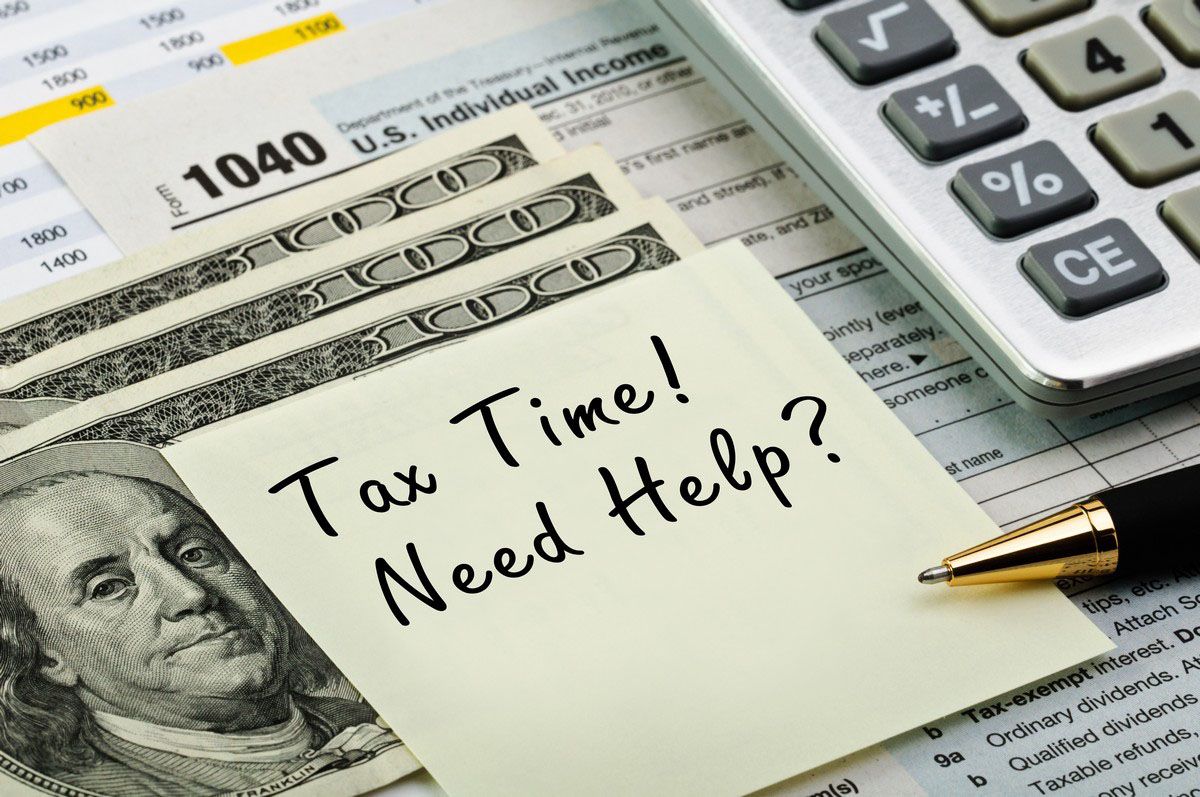
Starting tax preparation early provides flexibility and reduces stress. Establish a filing timeline that outlines key tasks and deadlines, allowing ample time to gather documents, review forms, and ensure accuracy. Choosing the correct tax forms, such as 1040 or 1040-SR, ensures that all eligible deductions and credits are applied.
E-filing is a fast, secure, and convenient method encouraged by the IRS. Electronic filing reduces human errors, speeds up refunds, and provides immediate submission confirmation. Planning for extensions is another important step. Extensions apply to filing deadlines, not payments, so understanding requirements and submitting accurate estimated payments prevents penalties.
Early planning also allows for a review of potential refund opportunities or tax-saving strategies. Taxpayers who prepare in advance can better align deductions, credits, and contributions to maximize their financial benefit. Careful preparation ensures a smoother, less stressful filing experience.
6. Protect Yourself From Tax Fraud
Taxpayers must remain vigilant against fraud. Common scams include phishing emails and fraudulent preparers attempting to collect sensitive information. The IRS never initiates unsolicited contact demanding immediate payment. Protect personal information by using strong passwords, multi-factor authentication, and secure document storage. Shredding unneeded documents and limiting the sharing of sensitive information reduces the risk of identity theft.
If using a tax professional, verify credentials to ensure legitimacy. Monitoring IRS tax accounts regularly allows you to identify discrepancies early and respond promptly to notifications. Staying proactive minimizes risks and ensures financial security during tax season.
For individuals seeking added support, professional tax preparation can optimize results. Services such as those provided by The Delta Bookkeeping & Tax Services offer bookkeeping, payroll service, income tax prep, fast refunds, and e-filing options. By working with experienced professionals, taxpayers can navigate complex tax situations, identify opportunities for deductions and credits, and gain peace of mind knowing their filing is accurate.
At The Delta Bookkeeping & Tax Services, we help clients approach tax season with confidence, providing personalized strategies to meet their unique needs. Whether you require detailed record management, support for self-employment taxes, or guidance on maximizing deductions, we streamline the process so you can focus on your business or personal priorities. Our team ensures every step of your tax planning is handled efficiently, helping you reduce stress and achieve financial clarity. Contact us today to simplify your tax preparation and ensure accurate, timely filings.

Share On: